Narcissism can lead to the breakdown of a friendship. Tips like setting boundaries and managing expectations can help you maintain the relationship or know when to walk away.
Seeking praise, boasting, and excessive competitiveness can make it difficult to maintain a friendship with someone who exhibits narcissistic traits.
If you notice narcissistic traits or narcissistic personality disorder in your friend, it can be hard to know how to move forward. Should you end the friendship, or try to preserve it?
The following traits and tips may help.
How to Spot Narcissistic Traits in a Friend
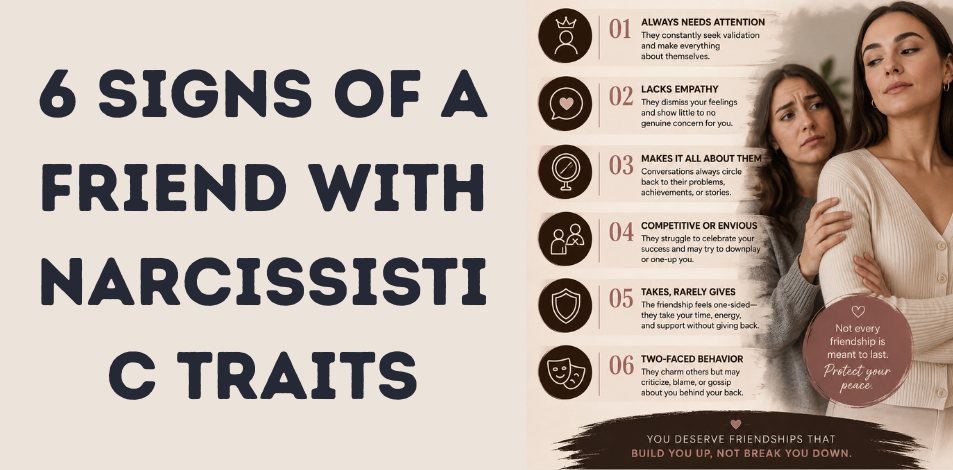
These signs and symptoms of narcissism or narcissistic personality disorder may appear in your friend’s behavior:
- A Constant Need for Admiration
People with narcissistic traits often crave praise. They go to great lengths to attract all the attention in the friendship.
“Narcissists constantly need to be liked and appreciated; it’s like oxygen to them,” says Lindsay Tong, clinical director at Profound Treatment Center in Los Angeles, California. “They thrive on external validation and praise, and they often seek compliments or exaggerate their accomplishments.”
In addition, friends with narcissistic traits tend to dominate conversations to boast about their successes or highlight their achievements.
This constant self-promotion can make interacting with a narcissistic friend exhausting.
- Lack of Empathy
It can be difficult, if not impossible, for a narcissist to be empathetic. This can make it hard for someone with narcissistic traits to understand or care about others’ feelings and needs.
Related : 7 Narcissist Cheating Patterns
They may dismiss or belittle your feelings, making the friendship feel one-sided. As a result, you may end up feeling neglected, exploited, or abused.
- A Sense of Superiority
It’s common for people with narcissistic traits to display a sense of superiority. But deep down, they may feel insecure, jealous, and envious of others.
A narcissistic friend or someone with narcissistic personality disorder may become extremely competitive, put you down, or downplay your accomplishments to feel better about themselves.
Narcissists also tend to believe they deserve special treatment. This may include expecting others to cater to their needs without expecting anything in return.
- Obsession with Social Status
Another common trait of narcissists is their obsession with how people perceive them socially. They often value material possessions, titles, and relationships that enhance their social standing.
For this reason, they may seek friendships based solely on what others can offer them, rather than shared values or interests.
This can ultimately lead to superficial relationships for narcissists.
- Manipulation and Boundary Violation
People who exhibit narcissistic traits often resort to manipulation to get what they want.
According to psychologist Nick Bach, a narcissistic friend might try to make you feel guilty or pressure you to conform to their wishes, and they might disregard your personal boundaries.
He adds, “You might find them invading your privacy or demanding excessive attention.”
- Inability to Accept Rejection
Perhaps one of the most difficult traits of narcissism is the inability to accept rejection or criticism. Tong adds that any perceived insult to your friend can trigger intense emotional reactions, such as anger, aggression, and even depression.
She explains, “Narcissists take everything personally. So, when others criticize them for a mistake they’ve made (which happens quite often), they see it as an attack on their self-image. Their extreme sensitivity to negative criticism often creates hostile work environments, both at work and in their personal lives.”
How to Deal with a Narcissistic Friend
Dealing with narcissism or narcissistic personality disorder can be challenging, but there are ways to communicate while staying safe.
Our experts offer some tips that may help:
Set Clear Boundaries
Maintaining a friendship with someone exhibiting narcissistic traits requires setting clear boundaries. Communicate your needs clearly and consistently, and avoid engaging in their manipulative tactics.
For example, try limiting the time you spend with them or discussing neutral topics that don’t trigger their narcissistic reactions.
Manage Your Expectations
Managing your expectations can protect you from disappointment in the friendship.
Instead of waiting for mutual support and understanding, focus on what you can control in the relationship.
Express Yourself
Maintain a healthy sense of self-worth, whether your narcissistic friend realizes it or not.
Do things that make you feel good about yourself, and surround yourself with people who value and appreciate you for who you are.
Use “I” statements
When dealing with problematic behaviors, frame your concerns using “I” statements to minimize defensive reactions.
For example, instead of saying, “You always ignore me,” consider saying, “I feel hurt when you ignore my feelings,” to avoid triggering narcissistic responses.
Take care of yourself
Take care of yourself by doing things that reduce stress and maintain your well-being.
These might include hobbies, exercise, and meditation sessions aimed at maintaining positive thoughts.
Seek professional help
Dealing with someone who has narcissistic traits or narcissistic personality disorder can be emotionally draining. It’s important to regularly reassess the impact of this relationship on your mental health.
Related : How to Tell a Narcissist by Their Writing
Seek professional guidance, if needed, to manage complex emotions. A therapist can help you learn how to manage interactions while maintaining your mental and emotional health.
Know when to walk away
If your friendship is causing you significant distress or harm, it might be best to distance yourself.
However, if you choose to continue the friendship, make sure you have a strong support network.
To summarize
Maintaining a friendship with someone who has narcissistic traits or narcissistic personality disorder can be challenging. Knowing what to look out for is the first step.
Your friend might exhibit a lack of empathy, a sense of superiority, and a constant need for admiration. They might also resort to manipulative tactics or violate your personal boundaries to get what they want.
It may take time and patience, but you can learn how to manage interactions with a friend who has narcissistic traits. It’s possible to maintain your friendship while preserving your mental and emotional well-being by:
Setting clear boundaries
Managing expectations
Seeking professional help