Key Points
Narcissistic trauma can occur when individuals with narcissistic traits experience criticism, loss, or abandonment from others.
Narcissism often stems from low self-esteem and feelings of worthlessness.
It’s important to know yourself and your values, and not compromise them for the sake of someone with narcissistic traits and how they choose to see you.
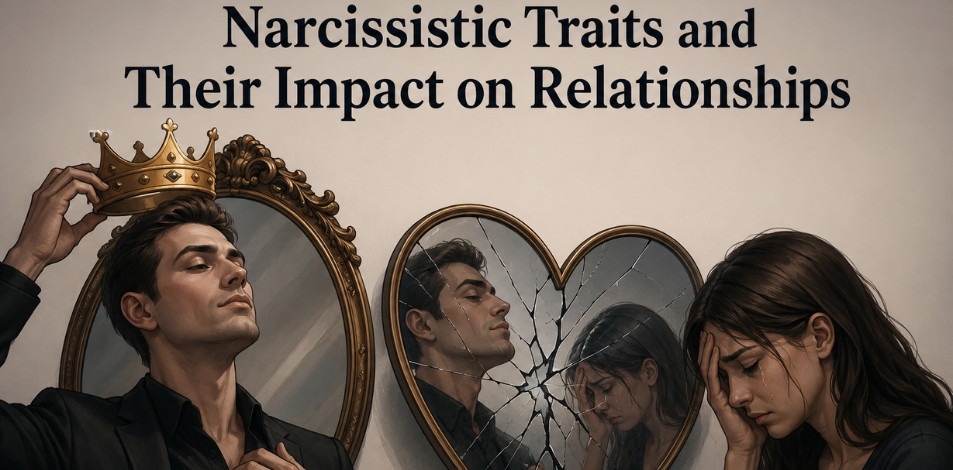
We all possess narcissistic traits that help us form a comprehensive self-image. These traits vary, with most of us falling within the average range. However, when someone leans toward the extreme end of this spectrum, it can make personal relationships and connections difficult.
What Is Narcissism?
If you’ve ever dealt with someone who constantly makes you feel “less than you,” you may already be familiar with some narcissistic traits. When these traits reach extreme levels, they may indicate a diagnosable narcissistic personality disorder, which is divided into two main types.
The first type, grandiose narcissism, is the most common and is described in detail in the Diagnostic and Statistical Manual of Mental Disorders, Fifth Edition (DSM-5). These individuals have an inflated sense of self-importance, exaggerating their accomplishments and possessing a strong need for control. They tend to lack empathy for others and constantly seek validation and admiration. They may become easily angered or withdrawn when they don’t get what they want or when others don’t immediately adopt their values and perspectives.
The second type, known as covert or fragile narcissism, tends to be less overt. These individuals often belittle themselves, pointing out their inadequacy in the hope of regaining their self-confidence. They are extremely sensitive to criticism, and you may feel like you’re walking on eggshells in their presence.
It’s important to remember that narcissism often stems from low self-esteem and feelings of worthlessness. These people strive to feel important in order to get rid of any feelings of inferiority.
The Narcissistic Wound
These traits usually remain dormant and non-problem-causing until they trigger what is known as a “narcissistic wound.” Narcissistic wounding occurs when individuals experience criticism, loss, or a sense of abandonment from others. During these times, these individuals may feel humiliated and rejected.
Related : How to Identify Different Types of Narcissism
But instead of expressing these feelings of vulnerability, they explode in anger. This may manifest as heated arguments, psychological manipulation, physical violence, and emotional withdrawal, among other reactions. One serious example of this is domestic violence. A partner with high narcissistic traits may imagine that their partner is leaving or cheating on them and may resort to physical violence in an attempt to control them.
5 Ways to Deal with Narcissistic Relationships
Recognize the Signs: People with narcissistic traits may appear outwardly charming. Over time, you may notice that they may act in unhealthy ways when you or others unintentionally criticize them. Understand that this has nothing to do with you; it is related to them and their feelings of low self-esteem. It’s best to avoid these situations to prevent getting drawn into an argument.
Learn how to de-escalate the situation: If you find yourself in a situation where you’ve hurt a narcissist, it’s important to remain calm and create as much physical distance as possible. Use a low, deep tone of voice, and avoid raising your voice or speaking quickly. It’s also important to be specific and kind, but firm in directing your behavior about what you will tolerate. For example: “Please sit down,” “Please lower your voice and don’t yell at me,” or “Please don’t move your arms like that. Please keep them low.”
Set clear boundaries: People with these traits may believe they have the right to treat you however they want. It’s important to clearly explain what is and isn’t acceptable regarding your personal, physical, emotional, sexual, and material boundaries. Be assertive, use “I” statements, and clearly express your needs. If the other person doesn’t respect these boundaries or defends them, it only reinforces the importance of having them in the first place.
Know that the abuse is not your fault: People with these traits rarely admit their mistakes or take responsibility for their role in conflicts. They will never take responsibility for hurting you; instead, they will project their fears and insecurities onto you. For example, if they feel they lack morals, they will accuse you of the same. It is important to know yourself and your values, and not to compromise them for them or for how they perceive you.
Cut: Although relationships are complex and rarely as simple as “breaking up,” physical, verbal, and sexual abuse often continues and worsens if the abuser does not receive help. Reach out to supportive people around you, and seek help through your health insurance or mental health clinics. We can never change other people, but we can choose who we surround ourselves with.