Emotions are the threads that bind our relationships together.
When someone expresses sadness or regret, it evokes empathy and reminds us of times of loss and disappointment we’ve experienced ourselves.
Nothing compares to the joy of laughing heartily with someone about something they said or did. You might reminisce about those happy shared moments and use them to feel closer and more positive toward your loved one.
Even anger can strengthen relationships by helping us overcome communication barriers. If someone is upsetting or hurting us, our anger sends a clear message that their behavior is affecting our ability to trust and feel close to them. The release of that anger after successfully resolving the conflict is the culmination of our efforts and completes the positive feedback loop that strengthens the relationship.
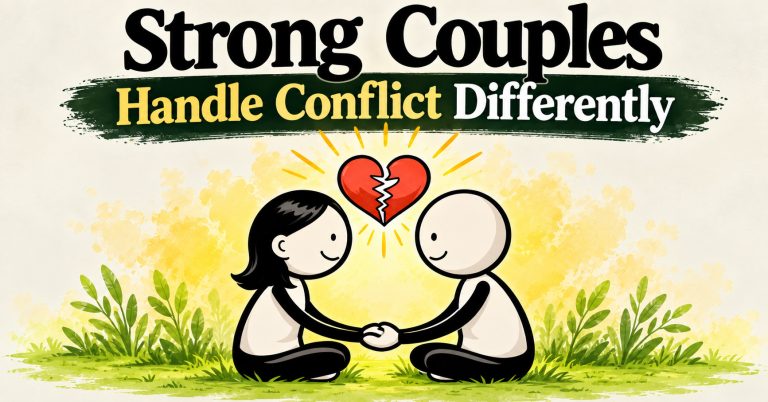
Emotions help create shared human experiences that give meaning to our relationships. But the key word here is “shared.” Both parties must be equal and willing to share emotionally. First and foremost, anyone expressing their feelings, especially negative ones, must take responsibility for them. Others can empathize and support them in finding space for their negative emotions, but only in a way that respects their boundaries and privacy. Failure to do so leads to the unleashing of negative emotions.
When Emotions Are Suppressed
It can be difficult to fully acknowledge and experience negative emotions, especially if one has grown up in a troubled family environment. Managing our emotions is a lifelong skill, and childhood is a crucial period for this development.
Healthy parents who are not threatened by anger allow their children to express their anger, but they also guide them to calmly ask for what they need, thus preventing tantrums in the first place. Over time, the child learns that anger is normal and also learns the appropriate way to express and use it respectfully.
Healthy parents allow their children to make mistakes, thereby instilling in them a healthy sense of shame. Children may feel sadness, frustration, and even apathy. They are able to atone for their mistakes, thus developing a healthy sense of guilt.
Related : A Dating Guide For Those With Complex Trauma
Troubled parents, especially narcissistic ones, prevent the expression or acknowledgment of negative emotions. They shame their children to keep them under control, suppress any expression of anger, and control their behavior. An incompetent parent ignores their child’s needs, fails to see them for who they truly are, and exploits them for personal gain. This results in the child becoming detached from their emotions, which fade deep within them and are rarely recognized by their conscious mind.
How Does Emotional Catharsis Work?
Those who catharsis experience a disconnection from their emotions. However, the emotions don’t disappear; they remain dormant within the body. The pressure of these repressed feelings overwhelms the individual, forcing them to release them to others without realizing it. This is the essence of emotional catharsis.
Those who catharsis transfer their repressed negative emotions, especially in conversations. The more attached they feel to someone, the more likely they are to draw that person into their emotions and implicitly impose them upon them.
A parent might tell you a “funny” story about their child, but in painful detail, they describe how stubborn and mischievous the child is. In reality, the narrator might be annoyed and frustrated with their child, or feel a loss of control. Yet, they laugh while describing the events, forcing you to laugh along. Meanwhile, you feel frustrated, unaware that the story’s underlying meaning is affecting you.
If someone is feeling sad and ashamed, they might speak to you in a melancholic tone and monotone voice, which can make you feel ashamed and sad too. But if you ask how they are, they’ll tell you they’re fine.
Anger is often subtly expressed during a civilized discussion. The conversation begins calmly and respectfully, but the tone of the person venting changes, their facial expressions become more intense, and their voice gradually rises until the other person feels cornered and eventually becomes angry.
Those who vent are not acting consciously. They are detached from their own feelings and therefore unintentionally alienate those around them. Those around them don’t realize what’s happening, but over time, they realize they feel worse the more time they spend with them.
Highly sensitive people, or “empaths,” are particularly affected by this behavior. When someone venting speaks to an empath and a connection is established (as is easily the case with an empath), they subconsciously feel a wide-open path to release their painful emotions and take it without hesitation.
From_Bleeding_to_Sharing,_From_Isolation_to_Growth
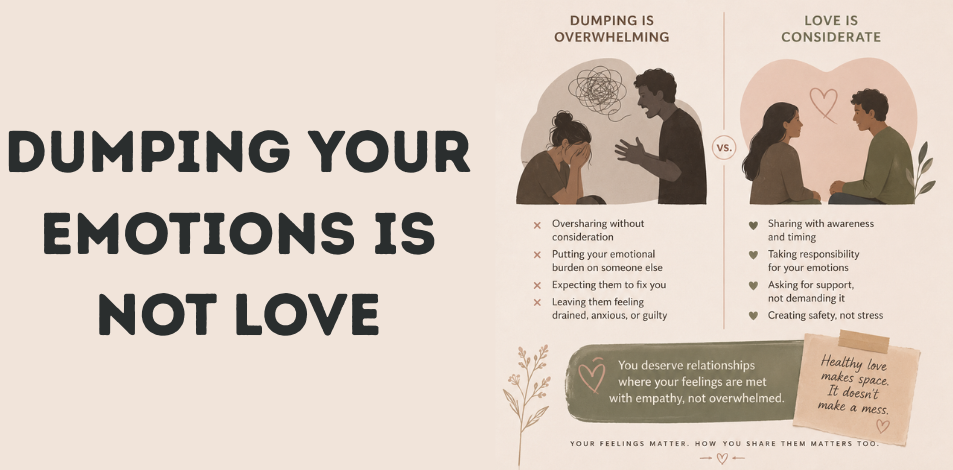
A person who vents their feelings often launches into a long, drawn-out monologue, giving you no chance to influence their perspective. They want to “vomit” their emotions but don’t want to pause, reflect, or even acknowledge their impact on you. This person isn’t growing because they’re not mentally present while expressing their feelings.
Sharing involves responsibility, while venting does not. A person who shares their feelings is clear about what they feel and what they need. If someone is feeling sad, they will say so and acknowledge their sadness. In doing so, they give their loved ones the opportunity to empathize and acknowledge their feelings without being burdened by them. This way, the boundaries of the loved one are respected, and, more importantly, the feelings have a chance to be expressed and released.
We often feel better simply by acknowledging and expressing our feelings, while others see and react to them. This is how we build the bonds that strengthen our relationships. By respecting the boundaries of our loved ones while successfully sharing our feelings, we create closeness and growth instead of resentment and isolation.
People aren’t stupid; they feel when they’re objectified and exploited. Even more tragically, those who vent their feelings often hurt those around them without receiving the comfort and healing they so desperately need.
To move from venting to sharing, you must first acknowledge your negative emotions. You need the courage to look inward and feel, and the humility to ask for help. By doing so, you invite those who love you to support you on their own terms. Most importantly, you avoid manipulation.
Someone who shares their feelings says, “I have something inside that I need to release and process. Can you help me figure out what to do?”
Someone who vents their feelings says, “I have something I need to release. Here, take it and be quiet.”
Sharing is conscious and mature; venting is unconscious and immature. Sharing creates opportunities to strengthen our relationships and foster mutual growth. What could be most important and beneficial to our mental, physical, and spiritual health?