
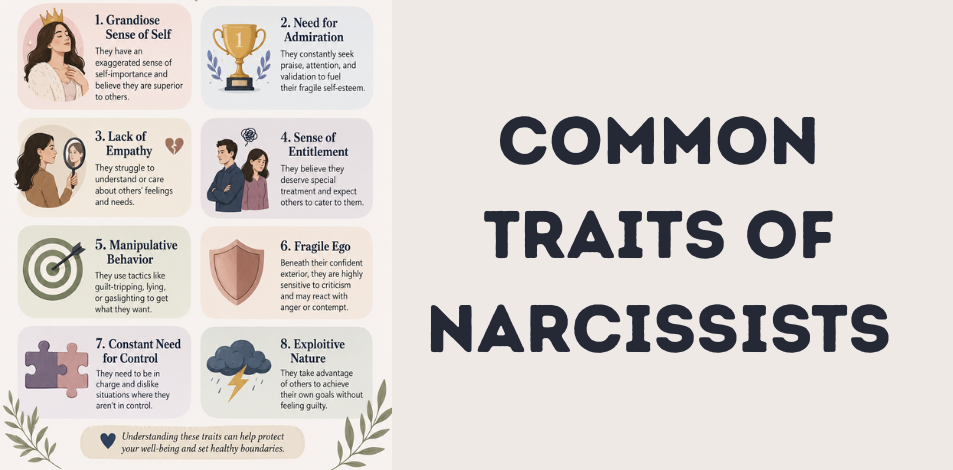
The following list, inspired by the research of Otto Kornberg, the renowned 20th-century psychoanalyst, describes narcissists with the following characteristics:
Narcissists seek basic gratification in their lives through what is known as “narcissistic supply”—the flattery and attention they receive from others. This supply can be considered any emotional energy that narcissists extract from others, whether positive or negative.
Because flattery and attention from others are never enough, narcissists also resort to delusional or fantastical thinking, such as fantasies of self-aggrandizement or the glorification of a new partner.
They frequently experience boredom or dissatisfaction, and narcissistic supply seems to be the only way to alleviate this chronic feeling of boredom.
They tend to be self-centered in their interactions with others, meaning they think about everything from their own perspective. Often, people associated with narcissists become others-centered, making all their decisions based on their expectations of the narcissist’s reactions.
Often, outwardly, narcissists don’t appear psychologically disturbed; instead, they seem friendly, kind, and sociable. More intelligent narcissists tend to possess excellent communication skills, often occupy leadership positions, and wield considerable influence over others.
Interestingly, narcissists have a paradoxical sense of self-importance while simultaneously needing excessive praise from others. This apparent contradiction can be perplexing: why would someone with such high self-esteem need so much validation from others? This is an example of their need for narcissistic gratification.
Narcissists with superficial emotions are unable to tolerate genuine feelings of sadness or guilt, or the strong emotions of others. Their comfort lies only in the emotional surface.
They are indifferent to the feelings of others. While narcissists may love those they control (their sources of narcissistic gratification), they are unconcerned with their own feelings. The only feelings that matter to narcissists are their own. They feel constantly envious. Narcissists often feel envious of others. Their chronic sense of emptiness is reinforced by their belief that they deserve what others have.
Related : 6 Signs of a Friend with Narcissistic Traits
Alongside persistent feelings of envy, there is also a strong sense of entitlement. This is their belief that they shouldn’t face any problems or obstacles. When faced with difficulties, this feeling drives them to anger, resentment, and contempt. It makes them believe that something is wrong if they don’t get what they want.
They idolize people they believe will satisfy their ego and belittle those they perceive as incapable of doing so. One reason for belittling someone is that the narcissist has exhausted all their resources in the relationship and no longer sees any benefit in remaining connected to that person. Hence the idea of abandoning them.
They exhibit rapid emotional expression. Narcissists can shift rapidly from calm to intense anger, then back to a state of complete emotional emptiness. This contributes to the emergence of the Jekyll and Mr. Hyde syndrome.
They appear extremely independent and completely self-sufficient. They often come across as aloof, haughty, and condescending towards others.
Narcissists are unpredictable and may not react in the way others expect.
Narcissists possess numerous psychological defense mechanisms, such as fragmentation, protective identification, a sense of absolute power, self-glorification and glorification of others, denial, verbal aggression (temper tantrums, shouting), blaming others, projection, and psychological manipulation.
They are masters of manipulation. Narcissists have a knack for deceiving others by appearing knowledgeable; presenting their arguments convincingly; using innuendo to sow doubt in others; engaging in chronic psychological manipulation; and lying. Narcissists are experts at disguise and deception.
They lie. Don’t believe everything a narcissist says without scrutiny. They may not be telling the truth.
They are extremely selfish and self-centered. You only feel satisfied in a relationship with a narcissist if their needs are met.
If you are in a relationship with a narcissist, it’s best to understand the true nature of these traits and what they mean for you. Recognize that these personality traits are ingrained in you, and you cannot change them. Therefore, it is best for you to focus on your mental and emotional health, and make sure that it is not related to your relationship with the narcissist.