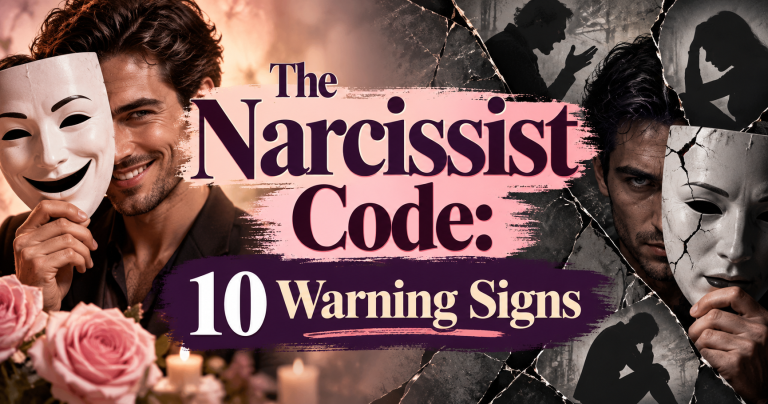

When someone has hurt, manipulated, or humiliated you, wanting revenge can feel natural. You may imagine them finally experiencing the pain they caused you. But when it comes to dealing with a narcissistic person, revenge often keeps you emotionally connected to them.
The better response is not to destroy them. It is to stop allowing them to control your emotions, your time, and your life.
Why Revenge Usually Doesn’t Help
A narcissistic person may thrive on emotional reactions. Anger, arguments, jealousy, and attempts to prove a point can keep you trapped in the same cycle.
You might think, “I just want them to understand what they did to me.” But sometimes, waiting for someone to admit their behavior or feel guilty becomes another form of attachment.
Your healing doesn’t require their apology.
You don’t need to expose every lie.
You don’t need to win every argument.
You don’t need to make them jealous.
And you certainly don’t need to become cruel just because someone treated you badly.
Related : After Narcissistic Abuse, You Stop Tolerating Fake People
The Real Victory Is Emotional Detachment
One of the strongest things you can do after narcissistic abuse is become emotionally unavailable to the drama.
That can mean setting boundaries, limiting contact, refusing unnecessary arguments, and no longer explaining yourself repeatedly.
Instead of asking:
“How can I make them regret losing me?”
Ask:
“How can I rebuild the life I almost lost while dealing with them?”
That question changes everything.
Let Your Life Speak for You
You don’t need revenge when you are focused on becoming healthier, calmer, and more confident.
Build your routines again.
Reconnect with people you trust.
Protect your boundaries.
Work toward your goals.
Learn to recognize manipulation.
And most importantly, stop measuring your healing by the narcissist’s reaction.
They may notice your absence. They may not.
Either way, your progress still matters.
Related ; Staying in an Unhealthy Marriage: When Is It Too Much?
You Don’t Have to Become Like Them
Perhaps the most important part of healing is refusing to let someone else’s behavior change your character.
You can walk away without becoming bitter.
You can protect yourself without becoming cruel.
You can remember what happened without spending the rest of your life trying to punish the person responsible.
Sometimes the most powerful form of revenge is simply refusing to participate anymore.
Your peace, your boundaries, and the life you build afterward are worth far more than any moment of revenge.