Sometimes, the most powerful thing you can hear from someone you love is, “I’m here for you. We’re going to be okay.”
For someone who has experienced emotional trauma, those words can mean more than people realize. Reassurance is not always about needing attention or asking for constant validation. Sometimes, it is about learning that love can be gentle, consistent, and safe.
When you’ve been hurt by people you trusted, opening your heart again can feel frightening. You might question someone’s intentions, worry when their behavior changes, or struggle to believe that someone genuinely cares about you. Even when a relationship is healthy, the memories of past experiences can make it difficult to relax and feel secure.
That’s why reassurance can become such an important part of healing.
What Does Reassurance Mean in a Relationship?
Reassurance is the way we communicate love, understanding, and emotional security to another person. It can be expressed through words, actions, affection, or simply being present when someone needs support.
Sometimes, reassurance sounds like:
- “You don’t have to go through this alone.”
- “I understand why that hurt you.”
- “We’re allowed to have difficult days and still love each other.”
- “Your feelings matter to me.”
- “I’ll listen without judging you.”
These words might seem ordinary to someone who has always felt emotionally secure. But to someone who has experienced betrayal, rejection, or emotional abuse, they can offer a different experience of connection.
Healthy reassurance is not about making promises that nobody can guarantee. It’s about showing care, communicating honestly, and behaving in ways that allow trust to grow over time.
Relared : 8 Signs You Are an Empath: Key Traits
Why People Healing From Trauma Need Reassurance
Emotional trauma can change how people experience closeness and trust. Someone who has been repeatedly criticized, manipulated, abandoned, or made to doubt their own feelings may become more sensitive to signs of rejection.
A delayed reply might create anxiety. A change in tone might trigger worry. A disagreement might feel like the beginning of the end of a relationship.
This doesn’t mean the person is weak or incapable of love. Their previous experiences may have taught them to stay alert to possible danger, even when the current situation is different.
Consistent emotional support can help create a greater sense of safety. Research on trauma and social support recognizes that caring relationships can play an important role in recovery and resilience.
However, healing takes time. One reassuring conversation cannot erase painful memories, and a loving partner cannot do all the emotional work for someone else. What matters is the experience of care repeated over time.
Reassurance Is More Than Saying the Right Words
Anyone can say, “You can trust me.” Building trust requires something more.
Imagine being with someone who tells you that you matter but repeatedly dismisses your feelings, disappears whenever you need support, or makes you feel guilty for expressing your needs.
Eventually, the words lose their meaning because the behavior tells a different story.
Now imagine someone who listens when you’re struggling, acknowledges mistakes, respects your boundaries, and makes an effort to understand your perspective. They don’t have to be perfect. They simply show that your feelings matter, even when conversations are uncomfortable.
That is what meaningful reassurance looks like.
Real reassurance is when someone’s actions help you believe their words.
It grows through honesty, consistency, patience, and the willingness to repair misunderstandings rather than pretending that nothing happened.
Related : Healing After Narcissistic Abuse: Learn to Be Kind to Yourself
How Reassurance Helps Rebuild Trust
After a painful relationship, trusting someone new can feel like taking a risk you are not sure you can afford.
You might want closeness while simultaneously fearing it. You might long to be understood but hesitate to share what hurts you. Part of you may want to believe in love, while another part remembers what happened the last time you trusted someone.
In a healthy relationship, reassurance can help create space for these conflicting feelings.
1. It Reminds You That Your Feelings Matter
If your emotions were dismissed in the past, you may have learned to keep your concerns to yourself. A caring partner makes room for honest conversations without ridiculing you or automatically labeling you as too sensitive.
2. It Makes Vulnerability Feel Less Frightening
Opening up becomes easier when you are met with compassion instead of criticism. You gradually learn that expressing a need does not have to lead to humiliation or rejection.
3. It Creates Predictability
Traumatic experiences can leave people uncertain about what to expect from others. Reliable communication and consistent behavior can make a relationship feel more predictable and secure.
4. It Encourages Healthy Communication
Instead of hiding fears or expecting a partner to guess what is wrong, you can learn to express your needs directly. For example, saying, “I’m feeling insecure today, and a little reassurance would help,” creates an opportunity for understanding.
These changes don’t happen overnight. They develop through repeated experiences in which both people communicate honestly and treat each other with respect.
The Difference Between Healthy Reassurance and Constant Validation
It is important to understand that needing reassurance is not automatically a sign of insecurity or an unhealthy relationship.
Everyone needs comfort sometimes. Even people who feel secure in themselves can experience doubt, fear, or uncertainty during difficult periods.
The difference lies in how reassurance functions within the relationship.
Healthy reassurance helps you feel heard, reconnect with your partner, and move forward. Constant validation, on the other hand, can become an exhausting cycle when no answer provides lasting relief and the same fears immediately return.
If this happens, it doesn’t mean you should feel ashamed. It may be an opportunity to explore the underlying fear, develop ways to calm yourself, and communicate your needs more effectively.
A supportive partner can help, but your healing should not depend entirely on another person’s ability to reassure you.
You deserve to build a sense of safety within yourself, too.
How to Give Reassurance to Someone You Love
If someone you care about is healing from emotional trauma, you don’t need to have all the answers. Often, small, thoughtful actions make the biggest difference.
Listen without immediately trying to fix everything. Sometimes, people need to feel understood before they are ready to hear advice.
Be consistent. Follow through on your commitments and communicate when plans change. Reliability matters more than grand promises.
Validate their feelings without agreeing with every fear. You can acknowledge someone’s anxiety without assuming that their worst-case scenario is true.
Respect their boundaries. Never pressure someone to share painful experiences before they are ready.
Be patient, but maintain healthy boundaries. Supporting another person’s healing does not mean accepting disrespect, controlling behavior, or sacrificing your own emotional well-being.
Love can provide support, but it cannot replace personal growth or professional help when those are needed.
Related : Protect Your Energy: Stop Attracting Emotionally Draining People
You Deserve a Love That Feels Safe
Perhaps one of the hardest lessons after emotional trauma is understanding that love should not require you to remain in a constant state of fear.
You should not have to analyze every message, question your worth after every disagreement, or prove that you deserve basic kindness.
A healthy relationship will still have misunderstandings, difficult conversations, and imperfect days. Reassurance does not mean that your partner will always know exactly what to say. It means both of you are willing to listen, communicate, and work through difficulties without deliberately making each other feel small.
And if you are still learning to trust, please remember that healing is not a race. You are allowed to move slowly. You are allowed to ask questions. You are allowed to need comfort while also learning to comfort yourself.
Most importantly, you do not have to earn love by hiding your pain or pretending to be stronger than you feel.
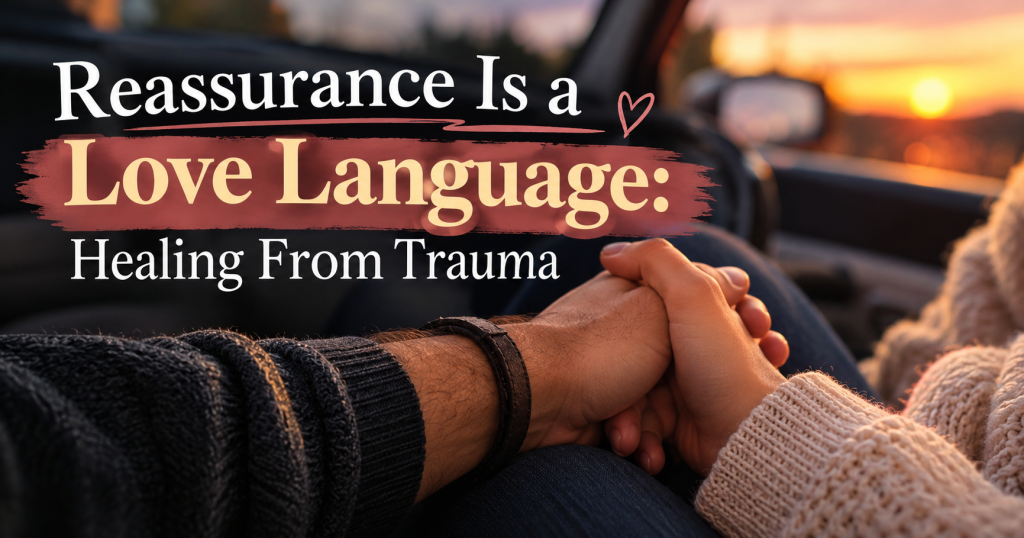
Sometimes, reassurance is a simple reminder that you are not alone. Sometimes, it is a hand reaching for yours when words are difficult to find. And sometimes, it is the quiet realization that you can finally be yourself without constantly fearing what will happen next.
The right kind of love doesn’t demand that you heal overnight. It gives you room to heal while reminding you that you are worthy of respect, honesty, and care.
If you’re healing from narcissistic abuse or a toxic relationship, remember that your past does not define your future. You can learn to trust yourself again, recognize healthier relationships, and build a life in which peace no longer feels unfamiliar.