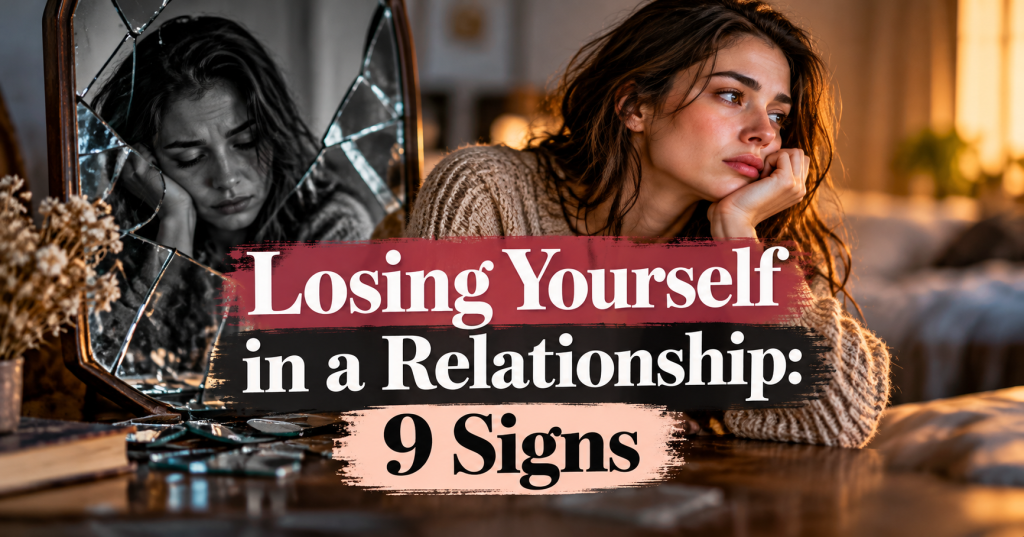
Losing Yourself in a Relationship: When Love Makes You Forget Yourself
Have you ever looked back at an old photo of yourself and wondered where that person went?
Maybe you used to laugh more, spend time with friends, pursue your dreams, and feel excited about life. But somewhere along the way, your relationship started taking up so much space that there was barely any room left for you.
You began putting your partner’s feelings before your own. You stopped doing things you enjoyed because they caused arguments. You learned to stay quiet to avoid conflict, and little by little, you became someone you hardly recognized.
Losing yourself in a relationship doesn’t always happen overnight. Sometimes, it happens so gradually that you don’t notice until you realize how much of yourself you’ve given up just to keep someone else happy.
Love should bring two people closer without forcing either person to abandon who they are. You can love someone deeply and still have your own identity, boundaries, friendships, and dreams.
So, how do you know when a relationship is costing you too much of yourself?
1. You Always Put Their Needs Before Your Own
Caring about your partner is a natural part of a healthy relationship. But there’s a difference between being considerate and constantly sacrificing your own needs.
You might cancel plans because your partner wants your attention, ignore your exhaustion because they need something, or put aside your goals because their priorities always seem more important.
Eventually, you may start feeling guilty whenever you do something for yourself.
A healthy relationship makes room for both people’s needs. You shouldn’t have to choose between being a loving partner and taking care of yourself.
Related : Relationships With Narcissists: Why They End Badly
Remember: Your needs matter just as much as your partner’s.
2. You’re Afraid to Express Your True Feelings
Do you rehearse conversations in your head because you’re worried about how your partner will react?
Perhaps you avoid mentioning something that hurt you because you don’t want another argument. Maybe you pretend everything is fine when you’re actually upset.
Over time, staying silent can become a habit. You stop asking for what you need because the emotional cost of speaking up feels too high.
In a healthy relationship, disagreements can happen without making either person feel unsafe, humiliated, or afraid to be honest.
You deserve to express your feelings without constantly worrying that honesty will threaten the relationship.
3. You’ve Drifted Away From Your Friends and Family
Sometimes, relationships naturally change how we spend our time. However, it’s concerning when you gradually lose contact with the people who once made you feel supported and understood.
Maybe your partner dislikes certain friends. Perhaps every time you make plans without them, you face guilt, accusations, or an argument.
Eventually, staying home feels easier than dealing with the tension.
If you recognize this pattern, consider reconnecting with someone you trust. Maintaining healthy relationships outside your romantic partnership isn’t a betrayal. It’s an important part of having a balanced life.
Isolation can make it harder to recognize unhealthy patterns and seek support when you need it.
4. You Constantly Change Yourself to Keep Them Happy
You change how you dress, what you say, what you post online, or even what you believe because you’re trying to avoid disappointing your partner.
At first, these changes might seem small. You tell yourself you’re simply compromising because you love them.
But there’s a difference between growing together and feeling pressured to become someone else.
If you constantly hide your personality, interests, or opinions to earn approval, ask yourself an important question:
Does this person love who I really am, or do I feel loved only when I behave the way they want?
Related : Healing After Narcissistic Abuse: 4 Challenges You Must Overcome
You shouldn’t have to erase your identity to deserve affection.
5. Your Happiness Depends on Their Mood
When your partner is happy, everything feels wonderful. When they’re distant, irritated, or upset, your entire day falls apart.
You find yourself studying their tone, facial expressions, and messages, trying to figure out whether something is wrong.
You might even blame yourself for their bad mood without knowing what happened.
This kind of constant emotional monitoring can leave you exhausted. Instead of enjoying your own life, you become focused on managing another person’s emotions.
You can care about your partner’s feelings without making yourself responsible for every emotion they experience.
Their mood doesn’t have to determine your worth or your ability to enjoy your day.
6. You’ve Stopped Pursuing Your Own Dreams
Think about the goals you had before this relationship.
Maybe you wanted to start a business, return to school, travel, develop a new skill, or build a career you felt proud of.
Are those dreams still part of your life, or have they slowly disappeared?
Sometimes, couples make reasonable sacrifices for shared goals. The problem begins when one person’s ambitions always come first while the other’s are repeatedly postponed or dismissed.
Your dreams don’t automatically become less important because you’re in a relationship.
A supportive partner should want to see you grow, even when your personal success requires time and effort.
You can build a future together without abandoning the future you once imagined for yourself.
7. You Feel Guilty for Setting Boundaries
You want an evening alone, but you worry your partner will feel rejected.
You say no to something you don’t want to do, then spend hours feeling guilty about it.
You agree to things that make you uncomfortable because disappointing your partner feels worse than disappointing yourself.
When this happens repeatedly, you may begin treating your boundaries as selfishness.
But boundaries aren’t punishments. They’re a way of communicating what you need to feel respected and emotionally well.
You can love someone and still say no. You can care about their disappointment without changing your decision every time they dislike it.
A healthy relationship allows both people to have limits.
8. You No Longer Recognize Yourself
This can be one of the most painful signs of losing yourself in a relationship.
You may remember being more confident, spontaneous, social, or optimistic. Now, you question your decisions, second-guess your feelings, and struggle to remember what genuinely makes you happy.
Perhaps you’ve spent so much time trying to prevent conflict or prove your worth that you’ve lost touch with your own preferences.
Take a moment to reflect:
- What activities make me feel alive?
- What did I enjoy before this relationship?
- Which friendships have I neglected?
- What opinions or desires have I stopped expressing?
- When was the last time I made a decision simply because it was right for me?
Related : A Narcissist’s Worst Nightmare Is an Educated Empath
You don’t need to become exactly who you were before. You can use this moment to discover who you want to become now.
9. You’re Exhausted From Trying to Make the Relationship Work
You keep explaining your feelings, making compromises, forgiving the same behavior, and hoping that things will finally change.
You tell yourself that if you communicate better, become more patient, or give a little more, the relationship will eventually feel the way it used to.
But you’re tired.
A relationship cannot thrive when one person is doing all the emotional work. Lasting change requires both people to recognize problems, take responsibility, and make consistent efforts to address them.
You can work on a relationship without carrying the entire relationship on your shoulders.
Love shouldn’t require you to sacrifice your peace indefinitely just to keep someone beside you.
How to Find Yourself Again After Losing Yourself in a Relationship
Recognizing these signs doesn’t mean you have failed. It means you’ve noticed something that deserves your attention.
Whether you want to improve your current relationship or reconsider whether it’s right for you, rebuilding your connection with yourself is a valuable first step.
1. Start Making Small Decisions for Yourself
You don’t need to change your entire life in one day.
Choose a book you want to read, a meal you genuinely enjoy, or an activity you’ve been putting off. Spend some time discovering what feels good to you without automatically checking whether someone else approves.
Small decisions can help you rebuild trust in your own judgment.
2. Reconnect With the People Who Know You
Reach out to a friend or family member you’ve missed. Have a conversation that isn’t entirely about your relationship.
Healthy connections remind you that you’re more than someone’s partner. You’re also a friend, a family member, an individual with interests, and a person with your own future.
If your partner tries to control whom you see or prevents you from seeking support, take that behavior seriously.
3. Learn to Say No Without Overexplaining
Start with small, reasonable boundaries.
You might say, “I need some time to myself tonight,” or “I’m not comfortable with that.”
You don’t have to deliver a long explanation every time you express a need. A respectful partner may not always agree with your boundaries, but they should be willing to discuss them without intimidation or punishment.
4. Write Down What You Want From Life
Take a notebook and write about the things that matter to you.
What kind of life do you want? What makes you feel fulfilled? Which goals have you put aside? What do you want your relationships to feel like?
Be honest with yourself, even if some of your answers are difficult to face.
You don’t have to make every decision immediately. The goal is to hear your own voice again.
5. Pay Attention to Actions, Not Just Promises
If you’ve explained your needs many times, notice what happens afterward.
Does your partner make a genuine effort to understand you? Do they take responsibility for their behavior? Are changes consistent, or do they disappear after a few days?
You don’t need to expect perfection. But a healthy relationship requires accountability, respect, and effort from both people.
6. Give Yourself Permission to Reevaluate the Relationship
Sometimes, rebuilding yourself means making changes within the relationship. Other times, you may realize that the relationship consistently requires you to abandon your needs and values.
You are allowed to reconsider what you can accept.
If you feel afraid of your partner, experience coercion, or face threats or controlling behavior, prioritize your safety and seek support from someone you trust or a local support service. You don’t have to navigate a difficult or abusive relationship alone.
Choosing your well-being isn’t the same as giving up on love.
Final Thoughts: You Deserve a Love That Doesn’t Make You Disappear
One of the saddest things about losing yourself in a relationship is that you might not notice how much you’ve changed until you finally get a moment of peace.
You may realize how long you’ve been holding your tongue, how many dreams you’ve postponed, and how often you’ve questioned your own worth.
But you haven’t lost your right to have a life that feels like your own.
You can love someone without abandoning your identity. You can compromise without sacrificing every need. You can build a future with another person while still making room for your own dreams.
And if a relationship repeatedly asks you to become smaller so someone else can feel comfortable, it’s worth asking whether that relationship is truly helping you grow.
The right kind of love doesn’t ask you to disappear. It gives you room to be yourself.
Sometimes, finding yourself again begins with one simple question:
Am I building a life I love, or am I spending my life trying to be loved?
Your answer may help you understand what needs to change.
If this article resonates with you, share it with someone who needs a reminder that their happiness, identity, and emotional well-being matter too.