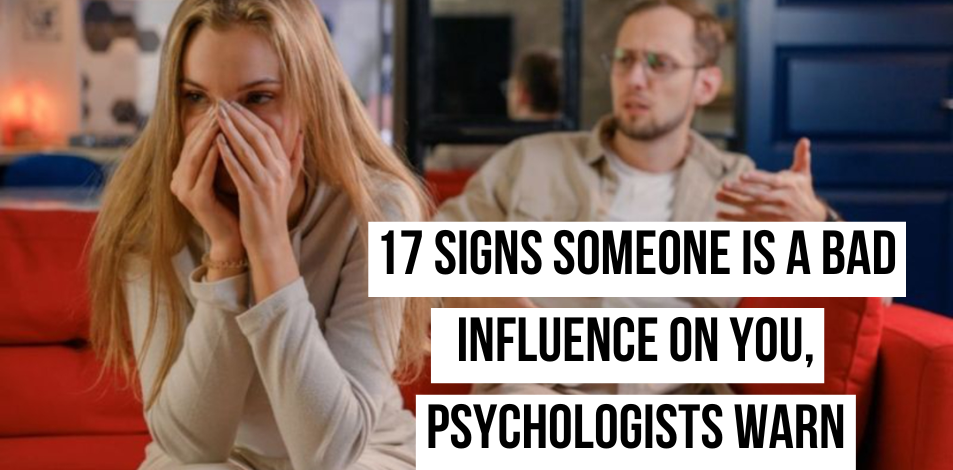
Sometimes, people don’t hurt you in obvious ways, but they leave you feeling exhausted, stressed, and confused after every encounter.
These subtle effects can be just as damaging as the obvious ones, seeping into your daily life and impacting your mental health.
Recognizing these signs is the first step toward protecting your mental well-being and ensuring that those around you contribute positively to your life.
- You feel drained after spending time with them
Even short encounters with some people can leave you feeling emotionally drained. It’s not just about being introverted or needing some time alone; it’s about feeling an invisible heaviness after spending time with them. This exhaustion isn’t just physical; it’s mental and emotional too.
When someone constantly drains you, it’s a sign of a negative influence. You’ll notice that this exhaustion doesn’t happen with everyone, but with specific individuals who seem to drain your energy. This might be due to their constant negativity or their monopolization of the conversation, leaving you little room to breathe.
Related : 16 Signs You Married An Emotionally Unavailable Man
Imagine leaving a café and feeling like you’ve run a marathon, even though you just sat and chatted with others. Pay attention to these patterns and consider how often they occur. Protecting your energy is crucial for maintaining your mental well-being. Look for ways to limit interactions or set boundaries that preserve your peace of mind and comfort.
- They Always Minimize Your Goals or Good News
You leave the conversation doubting yourself when your enthusiasm is met with lukewarm responses. Instead of celebrating your achievements, they might say something like, “That’s nice, but…” or “Are you sure that’s a good idea?” This behavior can make you question your accomplishments and decisions.
These people have a unique way of making your goals seem smaller and less important. Their dismissive nature can undermine your self-confidence and make you question your path and ambitions. Over time, these subtle criticisms can slow your progress and dampen your enthusiasm.
It’s essential to recognize this pattern. Surround yourself with people who genuinely celebrate your achievements. Seek out those who support you and share your joy, rather than those who undermine your success. Your dreams deserve a supportive audience—an audience that fuels your motivation, not one that dampens it.
- You find yourself doing things simply to avoid their disapproval.
You’re not making decisions; you’re managing their reactions. Constantly adjusting your behavior to avoid someone’s disapproval can lead to an unhealthy pattern of pleasing others. This person might not express their displeasure explicitly, but their subtle cues are enough to alter your behavior.
This reactive approach to life robs you of your autonomy and forces you to prioritize their expectations over your own needs and desires. The more you compromise to avoid disapproval, the more power you unwittingly give them, making it harder to reclaim your voice and choices.
Recognizing this pattern can be liberating. Start by setting small boundaries and listening to your own needs. Rediscover what truly brings you joy and fulfillment, independent of their influence. Remember that living authentically means making decisions based on your values, not the judgments of others.
- They subtly make you feel guilty to agree.
Even saying “no” feels like an apology. When someone uses guilt as a tool to get what they want, it becomes difficult to set your own boundaries. They might phrase their requests in a way that makes you feel selfish for refusing, or remind you of past favors to persuade you to comply.
This manipulative tactic exploits your sense of obligation and kindness. Over time, it becomes harder to resist their demands, and you may find yourself agreeing to things you don’t want to do. This can lead to resentment and burnout, as your needs are constantly being ignored.
Related : 18 Signs Of Toxic Behavior You Should Never Ignore
Recognizing when guilt is being used against you is the first step to regaining control. Practice saying “no” without justification. Your time and energy are precious, and you deserve to spend them on your own terms, without guilt or unnecessary pressure.
- You feel like your boundaries are constantly being negotiated by them.
They push your boundaries just to see how far you’ll compromise. This constant negotiation over boundaries is not only exhausting, but it also erodes your sense of self. When someone is constantly testing your limits, it can be difficult to maintain the boundaries you’ve set for yourself for your own well-being.
These people often disregard your comfort zone, whether by showing up unexpectedly or by demanding favors without considering your circumstances. As a result, you may feel that your boundaries are worthless, gradually eroding your confidence in enforcing them.
Setting clear boundaries and sticking to them is essential. Start by clearly defining your limits and adhere to them, even when challenged. Remember that those who respect you will respect your boundaries, while those who don’t may not have your best interests at heart. Protect your personal space and peace.
- They Turn Every Situation into a Conversation
Your pain becomes their story. Your joy becomes their competition. These people have a knack for shifting any conversation to focus on themselves. Whether you’re sharing a personal triumph or a difficult moment, they’ll steer the conversation toward their experiences, needs, or feelings.
This behavior not only diminishes your experiences but also creates an environment where your feelings and stories become secondary. Over time, you may find yourself reluctant to share, knowing that the spotlight will inevitably be on you.
It’s essential to recognize and address this pattern. Healthy relationships are built on sharing and mutual support. Surround yourself with people who listen as much as they speak and who show genuine interest in your life. Your stories and feelings are valuable and deserve to be heard and respected.
- They rarely offer support except when they need something.
In this case, support is one-sided. You may notice that your interactions with them mostly revolve around their needs or crises. When you ask for support or companionship, they are often unavailable or ignored, highlighting a clear imbalance in the relationship.
This pattern can leave you feeling exploited and unappreciated, as if your friendship only has value when it benefits them. Over time, this unequal dynamic can lead to resentment and feelings of isolation.
Recognizing this imbalance is vital for your mental well-being. Seek reciprocal relationships where support flows both ways. Surround yourself with people who support you as much as you support them, ensuring a more balanced and fulfilling relationship. 8. They say, “I’m just telling the truth,” after every hurtful comment.
Related : 17 Signs You’re In A One-Sided Relationship
This is disguised criticism. Behind a veil of honesty, some people make hurtful remarks that undermine your self-confidence. They may claim to be expressing their reality or telling the truth, but the impact of their words can be deeply damaging.
This behavior can make you question your worth and reconsider your actions, fostering self-doubt. It’s crucial to distinguish between constructive criticism and veiled insults masquerading as honesty.
Addressing this pattern requires setting clear boundaries for acceptable communication. True honesty should aim to uplift, not diminish. Surround yourself with people who offer support and constructive insights, helping you grow instead of discouraging you.
- You find yourself hiding things from them to avoid judgment.
You’re editing your truth in front of them. This self-censorship reflects a fear of being judged or misunderstood, which can stifle your honesty. Whether it’s your dreams, decisions, or personal experiences, withholding information to avoid criticism is a dangerous sign.
When you start feeling compelled to filter what you share, it can lead to feelings of isolation and loneliness. You might find yourself questioning your intuition and hesitating to make choices to conform to their opinions.
Recognizing this behavior is a step toward reclaiming your voice. Cling to relationships where you feel free to express yourself without fear of judgment. Genuine relationships are built on mutual acceptance and encouragement, allowing you to be yourself.
- They only offer support that benefits them.
Even their kindness is conditional. Offers of help or support are often accompanied by expectations of reciprocity or ulterior motives. This utilitarian approach to relationships can make you feel manipulated rather than genuinely caring.
These people may offer help in a way that emphasizes their role as benefactors, subtly reminding you of their generosity. This can foster feelings of dependency and reliance, rather than genuine gratitude or authentic connection.
Understanding this dynamic allows you to seek out more genuine and altruistic relationships. True support is given freely, without expectation of return. Focus on building friendships where you share kindness unconditionally, fostering mutual respect and trust.
- They constantly compare you to others
And you never feel like you’re on par with them. This constant comparison can undermine your self-confidence and make you feel inadequate or inferior. Whether it’s about achievements, appearance, or lifestyle, comparing yourself to others can instill feelings of inferiority.
These comparisons may be presented as motivation or constructive criticism, but they often leave you feeling discouraged and unappreciated. It’s crucial to recognize this pattern and understand that your self-worth is not measured by comparisons to others.
Focus on your strengths and unique achievements. Surround yourself with people who value your individuality and encourage your personal growth without comparisons. Your journey is unique and deserves recognition for its distinctiveness.
- You feel small, not powerful, in their company.
Your self-confidence erodes in their presence. Some people have the ability to undermine your self-worth, making you feel less competent and confident. Their words and actions may not be explicitly negative, but the effect is clear: you feel inadequate.
Related : The Dark Side Of Dominance: 17 Ways Power Warps Relationships And Destroys Empathy
Whether it’s through subtle criticism, condescending comments, or belittling your accomplishments, the result is a diminished sense of self-worth. Over time, this can drain your confidence and leave you feeling inadequate.
Recognizing this effect empowers you to reclaim your strength. Surround yourself with supportive and encouraging people to create an environment where you feel confident and valued. Your self-esteem should flourish, not diminish, in your relationships.
- They disrupt your peace
Their drama becomes a part of your life. Some people enjoy chaos and drama, and their presence can disrupt your inner peace. They may stir up unnecessary conflicts or ignite tension, leaving you to deal with the aftermath.
This chaos often comes in the form of recurring crises, pressing needs, or emotional turmoil that drains your attention and energy. This disrupts your peace, replacing tranquility with turmoil.
Identifying this pattern is essential for maintaining your inner peace. Set clear boundaries for what you will engage in, and focus on maintaining a calm and stable environment. Your inner peace is paramount, and it’s perfectly fine to distance yourself from those who disturb it.
- They belittle your feelings, labeling them as “too sensitive” or “overreacting.”
You stop trusting your intuition. When someone consistently dismisses your feelings and labels them as exaggerated, your self-confidence may waver. You might start questioning your own emotions, wondering if you’re being overly sensitive or overreacting.
This dismissal of your feelings is a form of psychological manipulation that subtly makes you doubt your perception and intuition. Over time, this can lead to a disconnection from your emotional reality, undermining your mental and emotional well-being.
Recognizing this behavior is crucial for regaining your self-confidence. Surround yourself with people who value and respect your feelings, and who uphold your right to experience and express emotions without judgment.
- You feel burdened by their presence.
This feeling doesn’t go away. Some relationships weigh you down, filling your life with stress and negativity. It’s not just a one-day thing; it’s a constant feeling of heaviness that accompanies you whenever they’re around.
This emotional burden manifests as persistent tension and anxiety, or a feeling of being trapped. It’s crucial to recognize when someone is consistently adding challenges to your life instead of complementing it.
By identifying this burden, you can make informed decisions about how to move forward. Prioritize relationships that bring joy and support, and consider distancing yourself from those who constantly add stress. Your mental health should be a priority, and it’s perfectly fine to lighten your load by reassessing who is part of your life.
- They Encourage Reckless Behavior
Imagine being pushed to take risks you’re not comfortable with. Sometimes, a friend might push you toward reckless behavior, such as skipping work or engaging in illegal activities. This kind of influence can be exciting, but it’s often a dangerous sign.
These people may not have your best interests at heart, preferring excitement to safety. Their adventurous nature could lead you into trouble, damaging your reputation or health.
If someone is constantly encouraging you to ignore your intuition or moral compass, they may not be the best role model for you. Think carefully about whether his presence adds unnecessary risks to your life.
- They drain your energy with their negativity.
Negativity is contagious, like a cold. Imagine someone who constantly complains or sees the dark side of things. This kind of energy is exhausting, leaving you feeling drained and hopeless after every encounter.
Instead of offering constructive advice or solutions, they focus on problems. Their pessimism becomes a cloud that hangs over your bright day. It’s essential to recognize when others’ perspectives are impacting your mental health.
Surround yourself with people who encourage and inspire you, rather than those who drag you into their negativity. Energy vampires hinder your personal growth.