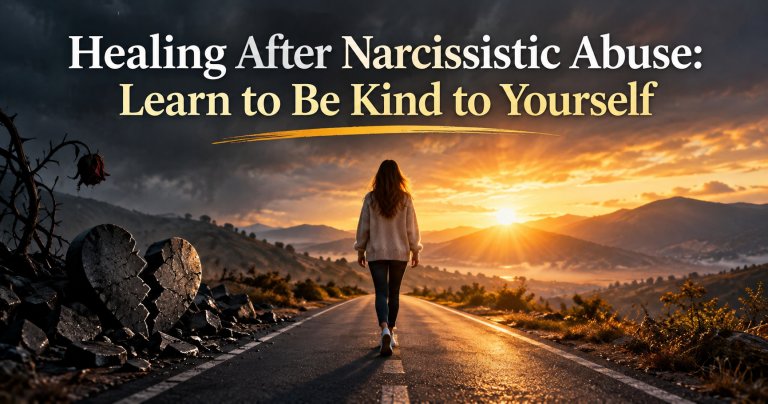

Have you ever walked away from a relationship feeling like you lost a part of yourself? Maybe you started questioning your worth, apologizing for things you didn’t do, or wondering why someone who once claimed to love you now seems determined to hurt you.
For some people who have experienced narcissistic abuse, the most painful part isn’t just what happened. It’s trying to understand why someone would treat them so cruelly, especially when all they wanted was love, honesty, and respect.
There’s a powerful quote that captures this feeling:
Narcissists want to destroy you, not because you did anything wrong, but because they did.
Although this quote doesn’t describe every person with narcissistic traits, it reflects something many people experience in emotionally abusive relationships: being blamed, punished, or made to feel guilty for problems they didn’t create.
1. Why Do Narcissists Turn Against You?
In relationships involving strong narcissistic traits, criticism, rejection, and challenges to someone’s self-image can trigger intense defensiveness. Instead of accepting responsibility, the person may shift the blame onto their partner.
You might try to have an honest conversation about something that hurt you, only to find yourself defending your own character by the end of it.
Suddenly, you’re the selfish one. You’re too sensitive. You’re the reason the relationship is falling apart.
This reversal can leave you confused because the original issue never gets resolved. Instead of discussing their behavior, the conversation becomes about what’s supposedly wrong with you.
Over time, you may begin to stay silent just to avoid another argument.
Related : Reassurance Is a Love Language: Healing From Trauma
2. They May Blame You for What They Refuse to Face
One of the hardest experiences in a toxic relationship is watching someone hurt you and then act as though you’re the person who caused the damage.
They might lie, break promises, cross boundaries, or betray your trust. Yet when you react to that behavior, they focus entirely on your reaction.
This can become a pattern of blame-shifting, where the person avoids accountability by making you feel responsible for their choices.
You may even start apologizing simply because you want peace.
But here’s something worth remembering: being hurt by someone’s behavior doesn’t make you responsible for that behavior.
You can acknowledge your own mistakes without accepting blame for someone else’s decisions.
3. Why Your Boundaries May Make Them Angry
When you’re used to putting another person’s needs before your own, setting boundaries can feel frightening.
You might say no for the first time, stop answering manipulative messages, or decide that disrespect is no longer acceptable.
A healthy person may not always agree with your boundaries, but they should be able to discuss them without threatening, humiliating, or punishing you.
In an unhealthy relationship, however, your boundaries may be treated as a personal attack.
Why? Because boundaries change what the other person can expect from you. They mean you are no longer willing to sacrifice your peace just to keep someone else comfortable.
You don’t need to become cruel to protect yourself. You simply need to recognize that your needs matter, too.
4. They May Try to Make You Doubt Yourself
Emotional manipulation doesn’t always look like shouting or obvious cruelty. Sometimes it appears through subtle comments, denial, silent treatment, or repeated criticism.
You might hear that you’re imagining things, remembering conversations incorrectly, or making a big deal out of nothing.
When this happens repeatedly, you may begin questioning your own judgment.
This is particularly damaging because confidence doesn’t usually disappear overnight. It can slowly erode as you become more focused on proving your reality than living your life.
If you recognize this pattern, take time to reconnect with your own perspective. Write down important events, talk to someone you trust, and notice whether conversations consistently leave you feeling confused or afraid.
You deserve relationships where honest communication doesn’t require you to abandon your own reality.
5. Your Healing Begins When You Stop Taking Responsibility for Everything
One of the most important steps in recovering from narcissistic abuse is learning the difference between accountability and misplaced guilt.
Accountability means recognizing your mistakes and learning from them. Misplaced guilt means carrying responsibility for another person’s choices, emotions, and harmful actions.
You can be compassionate without accepting mistreatment. You can love someone without tolerating disrespect. And you can wish someone well without allowing them continued access to your life.
Healing may involve setting firmer boundaries, limiting contact, seeking professional support, or rebuilding the relationships and interests you neglected while trying to make the relationship work.
There is no single timeline for recovery. Some days, you may feel strong. Other days, memories may bring back the pain. That doesn’t mean you’re failing.
It means you’re working through an experience that affected you deeply.
Related : 8 Signs You Are an Empath: Key Traits
6. You Don’t Have to Prove Your Worth to Someone Who Keeps Hurting You
Perhaps the most exhausting part of a toxic relationship is the constant attempt to finally become good enough for someone who keeps moving the goalposts.
You explain yourself. You give more chances. You try harder to be patient, understanding, and forgiving.
But love should not require you to spend your life defending your worth.
You don’t need to convince someone to respect your boundaries. You don’t have to win every argument to prove that your feelings are valid. And you don’t have to make another person admit what they did before you can begin healing.
Sometimes, the closure you need comes from accepting what the pattern has shown you and choosing what is healthier for your future.
Your worth was never determined by the way someone treated you.
Final Thoughts: Their Behavior Does Not Define Your Value
If you’ve experienced narcissistic abuse, you may spend a long time asking yourself what you could have done differently.
It’s healthy to reflect on your experiences, learn from them, and recognize your own patterns. But reflection should help you grow, not convince you that you deserved to be mistreated.
Someone else’s refusal to take responsibility is not proof that you failed. Their cruelty does not make you weak. And the fact that you loved someone who hurt you does not make you foolish.
You can acknowledge the pain without allowing it to define the rest of your life.
You are allowed to choose peace, protect your boundaries, and walk away from relationships that repeatedly damage your emotional well-being.
You don’t have to become the person who hurt you to become stronger than the experience.
Your healing is not about destroying them in return. It’s about rebuilding a life in which you no longer have to lose yourself to keep someone else happy.