
Gen X women were the latchkey kids. We let ourselves in after school, figured things out on our own, and grew up on the unspoken rule that asking for help was a last resort, not a first move. We came of age between the Boomers’ “just push through it” and the Millennials’ “let’s actually talk about this,” which meant we mostly learned to manage life by watching, guessing, and correcting course after the damage was already done.
Talk to enough women in their late 40s, 50s, and early 60s, and the same regrets come up again and again , not dramatic ones, just quiet ones. Things we wish someone had sat us down and said plainly, decades before we had to learn them the hard way.
Here are five of them.
1. Money Isn’t Just About Saving , It’s About Investing and Asking
Most of us were taught to be “good with money,” which meant: have a savings account, don’t overspend, maybe get a 401(k) if your job offered one. What we weren’t taught was how to actually grow money , investing, compound interest, negotiating salary, or asking for a raise without apologizing for it first.
Related : The Most Powerful Morning Routine I’ve Found After 3+ Years of Experimenting
A lot of Gen X women spent their 30s and 40s assuming their income was simply what it was, and that talking about money , let alone asking for more of it , was somehow impolite. Many of us are now doing the math on retirement later than we’d like, wishing someone had explained the difference between saving and building wealth back when we had decades of compound growth ahead of us instead of just one.
What we’d tell our younger selves: Open the brokerage account. Ask what your coworkers make. Negotiate the offer, every time.
2. Saying No Isn’t Selfish , It’s a Skill
We were raised to be accommodating: good daughters, good employees, good moms, good friends. Saying no , to a request, an obligation, a relationship that drained us , often felt like a character flaw instead of a completely reasonable boundary.
So we said yes. To extra shifts, to hosting, to being the one who always picked up the slack, to relationships that cost more than they gave back. Many Gen X women didn’t learn to set a boundary without guilt until well into their 40s, usually after burning out first.
What we’d tell our younger selves: “No” is a complete sentence. You don’t owe anyone an essay explaining it.
3. Your Health Symptoms Are Not “Just Stress”
This is one of the biggest ones. Gen X women grew up in a medical culture where women’s symptoms , especially anything hormone-related , were routinely brushed off as stress, anxiety, or “just part of getting older.” Perimenopause wasn’t something anyone explained to us in advance; most of us learned about it in real time, often while being told our symptoms were unrelated or “all in our head.”
It’s only in the last several years that conversations about hormone health, perimenopause, and menopause have become mainstream enough that women feel comfortable pushing back on dismissive doctors and asking for real answers.
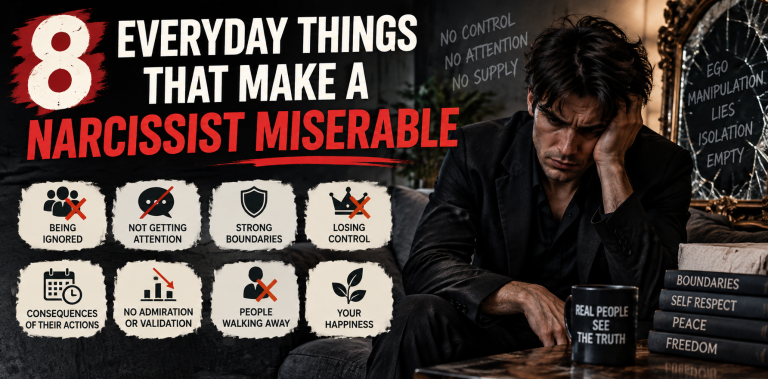
Related : 5 Red Flags I Ignored When First Dating My Abusive, Narcissistic Ex
What we’d tell our younger selves: Track your symptoms. Ask direct questions. If a doctor won’t take you seriously, find one who will , you’re allowed to switch.
4. Exhaustion Was Never Proof That You Were Doing It Right
We came up in the era of “having it all” , career, kids, marriage, a spotless house, all handled without visibly breaking a sweat. Being tired, stretched thin, and quietly overwhelmed wasn’t something to fix; it was treated as the cost of doing life correctly. If you weren’t exhausted, were you even trying hard enough?
A lot of us are only now, in our 40s and 50s, unlearning the idea that rest has to be earned. That productivity isn’t the same as worth. That collapsing on the couch at the end of the day isn’t a personal failure , it’s a nervous system asking for something we never gave it permission to have.
What we’d tell our younger selves: Tired isn’t a badge of honor. Rest before you’re forced to.
5. You Were Never Supposed to Figure It All Out Alone
The self-reliance that defined our generation was, in a lot of ways, a strength , but it came with a hidden cost. Many of us learned to equate asking for help with weakness, whether that meant therapy, leaning on friends, or admitting a marriage, a career, or a parenting approach wasn’t working.
Therapy wasn’t normalized when we were young the way it is now. Neither was talking openly about struggling. So a lot of us white-knuckled our way through decisions and hard seasons that would have been so much easier with actual support , and are only now building the friendships and support systems we should have leaned on all along.
What we’d tell our younger selves: Needing help was never the problem. Pretending you didn’t , that was the problem.
Final Thoughts
None of these lessons are about blame , our parents, our culture, and the decades we grew up in simply didn’t hand us this information. But it’s not too late to use it now. Gen X women are, by most measures, just hitting our stride: more financially capable, more direct, and less willing to shrink ourselves than we’ve ever been. The lessons came late. They didn’t come too late.