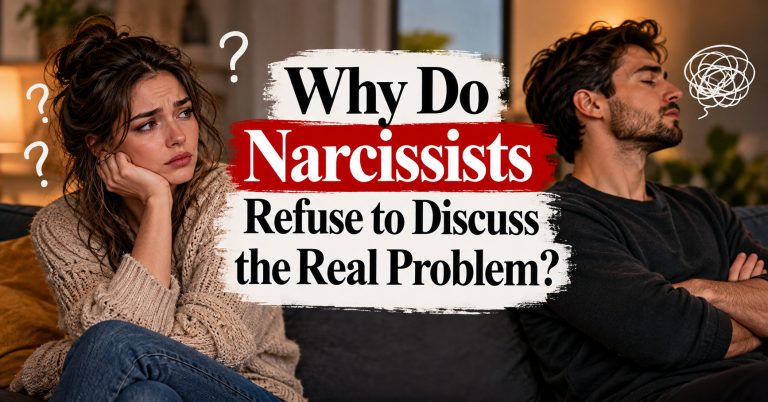

There’s a big difference between wanting to make a good impression and being obsessed with appearing perfect.
Most people care about how others see them. That’s normal. We all want to be respected, appreciated, and understood. But in some relationships, maintaining a positive image can become more important than honesty, accountability, or treating other people well.
This is one reason relationships involving strong narcissistic traits can feel so confusing.
The Difference Between Image and Character
Someone can look kind, generous, successful, or emotionally mature on the outside while behaving very differently in private.
The important question isn’t always “How does this person appear to everyone else?”
It’s:
“How do they behave when nobody is watching?”
Character shows up in the small things, whether someone can admit a mistake, respect boundaries, apologize sincerely, and take responsibility when their actions hurt another person.
Related : When Adult Bullying Doesn’t Look Like Bullying
Why Image Can Become So Important
For some people with narcissistic traits, criticism or failure can feel particularly threatening to their self-image. Protecting that image may become a priority.
Instead of acknowledging, “I handled that badly,” they might look for another explanation:
- “You misunderstood me.”
- “You made me do it.”
- “Everyone is against me.”
- “That’s not what happened.”
- “You’re the one causing the problem.”
Not everyone who becomes defensive is narcissistic. People can become defensive for many reasons. What matters is whether there is a consistent pattern of avoiding responsibility and shifting blame.
When Someone Always Becomes the Victim
One particularly confusing dynamic is when someone repeatedly creates conflict but presents themselves as the injured party.
You may remember what happened one way, while the story being told to other people sounds completely different.
Over time, this can leave you wondering:
“Am I remembering everything incorrectly?”
Rather than getting trapped trying to prove every detail, focus on what you can actually observe: What happened? What was said? What boundaries were crossed? Is the same pattern happening repeatedly?
Related : Loyalty in a Relationship: What Real Commitment Looks Like
Manipulation and Distorting the Truth
Manipulation doesn’t always look dramatic.
It can involve selective storytelling, exaggeration, denial, guilt-tripping, or leaving out important details. Sometimes several small distortions can create a completely different picture of a situation.
This is why actions are often more useful than appearances when trying to understand a difficult relationship.
Someone can have a wonderful reputation and still behave badly toward a particular person.
Why This Can Be So Exhausting
When you’re constantly defending your version of events, you can become emotionally exhausted.
You may spend hours explaining yourself, correcting misunderstandings, or trying to convince someone that your feelings are valid.
But healthy relationships don’t require you to constantly prove that you deserve basic respect.
A healthy person can hear criticism without automatically turning the conversation into an attack on the other person’s character.
What You Can Do
If you’re dealing with someone who repeatedly avoids accountability, you don’t necessarily need to expose them or convince everyone around you.
Instead:
Pay attention to patterns.
Set clear boundaries. Keep communication simple. Don’t get pulled into endless arguments over every accusation. If necessary, keep records of important conversations or incidents, particularly in professional or legal situations.
And most importantly, don’t measure someone’s character by how convincing they are in public.
A polished image isn’t the same thing as good character.
Final Thoughts
Being concerned about your reputation isn’t inherently toxic. Everyone wants to be seen positively.
The problem begins when appearing good becomes more important than actually behaving well, when protecting an image repeatedly takes priority over honesty, accountability, empathy, and respect.
You don’t have to diagnose someone to recognize unhealthy behavior.
Sometimes the clearest answer is simply to stop focusing on the image they’re presenting and start paying attention to the pattern of behavior you’re actually experiencing.