
When most people hear the word bullying, they imagine someone shouting, threatening, or openly insulting another person. But adult bullying can look very different.
Sometimes it’s quiet. It happens through exclusion, gossip, manipulation, social pressure, or subtle behaviors designed to make someone feel unwelcome.
And because there may be no obvious confrontation, it can be difficult to recognize what’s actually happening.
What Is Adult Bullying?
Adult bullying refers to repeated behavior intended to intimidate, humiliate, isolate, undermine, or control another person. It can happen at work, within friendships, family relationships, social groups, or online communities.
Unlike childhood bullying, adult bullying can be much more socially complicated. The person may maintain a perfectly respectable image while treating someone very differently behind closed doors.
10 Subtle Signs of Adult Bullying
Related : Loyalty in a Relationship: What Real Commitment Looks Like
1. Deliberate Exclusion
One of the most painful forms of adult bullying is being intentionally left out.
You might notice that you’re regularly excluded from conversations, invitations, group activities, or important information while others are included.
One missed invitation doesn’t necessarily mean anything. But a repeated pattern can be worth paying attention to.
2. The Silent Treatment
Taking space during an argument can be healthy.
Using silence repeatedly to punish someone, create anxiety, or force them to apologize for something they didn’t do is different.
The context and pattern matter.
3. Gossip and Social Isolation
Adult bullies may use gossip to damage someone’s reputation or influence how other people perceive them.
Sometimes the goal isn’t direct confrontation. It’s creating enough doubt that others gradually distance themselves.
4. Triangulation
Triangulation involves bringing another person into a conflict instead of communicating directly.
For example, someone might tell a mutual friend something about you rather than discussing the problem with you themselves.
This can create confusion, tension, and unnecessary sides.
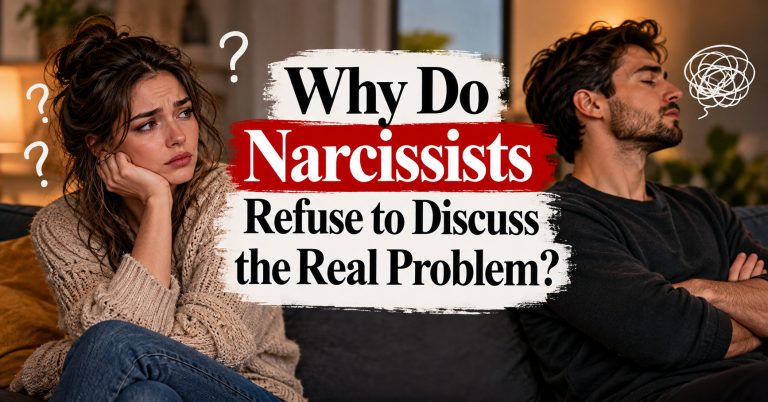
Related : Why Do Narcissists Refuse to Discuss the Real Problem?
5. Subtle Put-Downs
Not every insult sounds like an insult.
Comments disguised as jokes can repeatedly target someone’s appearance, intelligence, relationships, career, or personality.
If you’re constantly being made the punchline, it’s reasonable to question the pattern.
6. Making You Feel Like You Don’t Belong
Another sign of social bullying is repeatedly creating an atmosphere where someone feels unwanted.
You may notice people suddenly becoming distant, conversations stopping when you arrive, or feeling like you’re constantly walking on eggshells.
7. Turning Others Against You
Sometimes bullying happens through social influence.
A person may tell selective versions of events, exaggerate conflicts, or encourage others to take sides.
This can make the target feel isolated without any obvious confrontation.
8. Constantly Questioning Your Reactions
Another unhealthy pattern is making you feel like you’re always “too sensitive” whenever you raise a legitimate concern.
Instead of discussing the behavior, the conversation becomes about whether you’re allowed to feel hurt by it.
9. Repeated Boundary Violations
Healthy relationships involve boundaries.
If someone repeatedly ignores clearly communicated boundaries and then acts as though your boundaries are unreasonable, that’s a pattern worth taking seriously.
Related : 12 Things Women Should Never Do for a Man
10. Acting Innocent After Causing Harm
Perhaps the most confusing part is when someone behaves hurtfully and then presents themselves as completely innocent.
This can leave you questioning whether the situation really happened the way you remember it.
Rather than trying to prove someone’s intentions, focus on observable behavior and repeated patterns.
How to Deal With Adult Bullying
You don’t need to respond to every provocation.
Start by identifying exactly what is happening. Keep communication clear and calm. Set boundaries where appropriate and reduce unnecessary interaction with people who repeatedly disrespect them.
If bullying is happening at work, school, or another organization, document specific incidents and use the appropriate reporting channels when necessary.
And remember: protecting your peace doesn’t require you to convince everyone that someone else is the problem.
Sometimes the healthiest response is simply creating distance.
Final Thoughts
Adult bullying isn’t always loud or obvious. Sometimes it hides behind jokes, silence, exclusion, gossip, and social manipulation.
But you don’t need to diagnose someone’s personality to recognize that a repeated pattern of disrespect is unhealthy.
Pay attention to patterns, trust observable behavior, protect your boundaries, and don’t allow someone else’s treatment of you to determine your sense of worth.