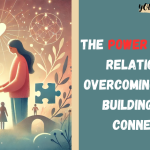

There’s a big difference between loving someone and losing yourself trying to keep them.
When you care deeply about a man, it can be tempting to make sacrifices, compromise, forgive mistakes, and put his needs before your own. Some compromise is completely normal in a healthy relationship. But when compromise becomes one-sided, you may slowly start giving away pieces of yourself just to keep the relationship alive.
A healthy relationship should give you room to grow—not make you smaller.
Here are some things women should never feel pressured to do for a man.
1. Never Lose Your Identity
Being in love doesn’t mean you have to stop being yourself.
Keep your hobbies, interests, friendships, goals, personality, and the things that made you happy before the relationship.
You should be able to say, “I’m in a relationship, but I’m still me.”
If your entire identity starts revolving around your partner, it can become difficult to recognize yourself outside the relationship.
Related : How to Spot Fake People: 12 Signs Someone Isn’t Being Genuine
2. Never Beg for Basic Love and Attention
Everyone wants affection, reassurance, and attention from their partner. That’s normal.
But constantly begging someone to care, communicate, or show affection can leave you emotionally exhausted.
Love shouldn’t feel like something you have to chase every day.
A healthy relationship involves mutual effort. Both people should want to communicate, connect, and make each other feel valued.
3. Never Ignore Serious Red Flags
Chemistry can make us overlook things we would normally consider unacceptable.
Disrespect. Manipulation. Dishonesty. Excessive control. Repeated lying. Isolation from friends and family.
These behaviors shouldn’t automatically be dismissed because you love someone.
One of the hardest lessons in relationships is realizing that potential is not the same thing as reality.
Pay attention to patterns, not just promises.
4. Never Give Up Your Financial Independence
Being financially independent isn’t about distrusting your partner.
It’s about maintaining a degree of security and freedom.
Having your own income, savings, financial knowledge, or access to money can make it easier to make decisions based on what you genuinely want rather than feeling trapped by circumstances.
Love and financial dependence don’t have to be the same thing.
Related : 7 Types of People You Should Be Careful Around
5. Never Accept Disrespect as “Love”
Arguments happen in relationships. People make mistakes. Nobody communicates perfectly all the time.
But there’s a difference between having a disagreement and repeatedly humiliating, insulting, threatening, or degrading someone.
You don’t have to accept disrespect just because you love the person giving it.
Love should not require you to tolerate emotional abuse.
6. Never Abandon Your Core Values
A relationship involves compromise, but compromise doesn’t mean abandoning your principles.
Your beliefs, boundaries, morals, and personal standards still matter after you fall in love.
If you’re constantly changing who you are because you’re afraid your partner will leave, it’s worth asking yourself an important question:
Am I compromising, or am I betraying myself?
7. Never Cut Off Everyone Who Loves You
A partner can become an important part of your life without becoming your entire life.
Your friends and family can provide perspective, support, and emotional connection outside the relationship.
If someone consistently pressures you to isolate yourself from everyone who cares about you, don’t ignore that behavior.
Healthy relationships generally leave room for healthy connections outside the couple.
Related : Stopped Waiting for the Narcissist to Change | Reclaim Your Life
8. Never Take Responsibility for His Behavior
You can support your partner.
You can communicate with him.
You can encourage him to grow.
But you cannot take responsibility for another adult’s choices.
If he lies, that’s his choice.
If he refuses to communicate, that’s his choice.
If he repeatedly breaks promises, that’s his responsibility.
Supporting someone doesn’t mean carrying the consequences of their behavior for them.
9. Never Stay Somewhere Only Because You’re Afraid to Be Alone
Fear of loneliness can keep people in relationships long after the relationship has stopped being healthy.
Being single can be uncomfortable, especially after spending years with someone.
But being alone and being lonely aren’t exactly the same thing.
Sometimes being alone gives you the space to rebuild your confidence, reconnect with yourself, and understand what you actually want from a relationship.
10. Never Give Everything While Receiving Almost Nothing
Relationships aren’t always perfectly 50/50.
There will be periods when one person needs more support than the other.
But over time, there should be some sense of reciprocity.
If you’re always giving, forgiving, supporting, compromising, initiating, and fixing problems while your partner contributes very little, resentment can eventually replace affection.
You deserve effort too.
Related : Narcissist Makes You the Problem: How to Heal
11. Never Accept the Same Broken Promise Forever
Everyone makes mistakes.
But there’s a difference between someone making a mistake and someone repeatedly promising to change without actually changing.
Words can sound convincing.
Patterns tell you much more.
If the same problem keeps happening again and again, look at the behavior rather than focusing only on the apology that follows it.
12. Never Give Up Your Dreams
A relationship should have room for two people’s futures.
Your career ambitions, creative projects, education, personal goals, and dreams still matter after you fall in love.
A supportive partner doesn’t have to agree with every dream you have, but there should be space for you to pursue meaningful goals.
You shouldn’t have to become smaller so someone else can feel bigger.
Love Should Add to Your Life, Not Replace It
One of the most important things to remember is that healthy love doesn’t require self-abandonment.
You can compromise without losing your identity.
You can love someone deeply while maintaining boundaries.
You can support your partner without becoming responsible for their behavior.
And you can build a life together without giving up the life you had before them.
The right relationship shouldn’t require you to constantly prove your worth by sacrificing more and more of yourself.
Never confuse losing yourself with loving someone.
A strong relationship is one where both people can say:
“I love you, and I still have a life, identity, voice, boundaries, and dreams of my own.”