
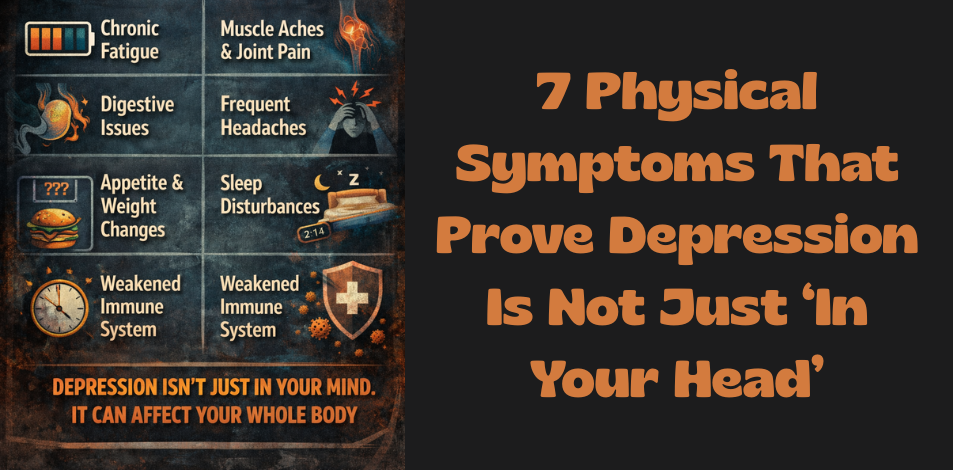
We don’t always associate depression with physical pain, but research shows that it can be truly painful. Depression can cause body aches, stomach pains, and more.
Depression is painful. While we often associate this mental illness with emotional pain such as sadness, crying, and feelings of hopelessness, research shows that depression can also manifest as physical pain.
Although we don’t usually think of depression as physical pain, some cultures do, especially those where talking about mental health is taboo.
Cultural understandings of depression may vary. For example, Asian Americans may be more inclined to describe and understand depression in terms of physical symptoms. This can influence the type of treatment they seek and who they receive. This contrasts with the Western understanding of depression as primarily an internal mood.
But paying attention to these physical symptoms is just as important as the emotional ones.
For one thing, it’s a great way to monitor the state of both body and mind. Physical symptoms can indicate the onset of a depressive episode or alert you to whether you are already experiencing depression.
Physical symptoms suggest that depression is very real and can negatively impact our overall health.
Here are seven of the most common physical symptoms of depression:
- Persistent Fatigue or Low Energy Levels
Fatigue is a common symptom of depression. We all experience occasional dips in energy levels, feeling sluggish in the morning and wanting to stay in bed and watch TV instead of going to work. However, the fatigue associated with depression is more persistent and intense than this fleeting dip in energy.
While we often think of fatigue as a result of stress, depression can also cause fatigue. Depression-related fatigue can lead to problems concentrating, irritability, and apathy.
Related : If You Tolerate These 8 Behaviors, You Lack Self-Worth
Dr. Maurizio Fava, director of the clinical research program at Massachusetts General Hospital in Boston, notes that people with depression often experience poor sleep, meaning they feel sluggish even after getting enough rest throughout the night.
However, because many physical illnesses, such as infections and viruses, can also cause fatigue, it can be difficult to determine whether fatigue is related to depression.
One way to diagnose it: While daily fatigue is a symptom of this mental illness, other symptoms such as sadness, hopelessness, and anhedonia (lack of enjoyment in daily activities) may also appear in cases of depression.
Another challenge is that fatigue may persist even during treatment, posing an ongoing challenge. If you are being treated for depression but are still experiencing fatigue, try talking to your doctor about treatment options for this symptom.
- Decreased Pain Tolerance (Everything Hurts More)
Do you sometimes feel like your nerves are on fire, yet you can’t find a physical cause for your pain? It turns out that depression and pain often go hand in hand.
A 2015 study showed a link between depression and decreased pain tolerance, while another study in 2010 showed that pain has a greater impact on people with depression.
There’s no clear causal relationship between these two symptoms, but it’s important to evaluate them together, especially if your doctor has prescribed medication.
Some research suggests that antidepressants may not only help alleviate depression but may also act as pain relievers.
- Back Pain or Muscle Aches Throughout the Body
You might feel fine in the morning, but as soon as you arrive at work or sit down at your desk, your back starts to ache. The cause could be an uncomfortable chair, stress, or depression. While back pain is usually associated with poor posture or injuries, it can also be a symptom of psychological distress.
A 2017 study of 1,013 Canadian university students found a direct link between depression and back pain.
Psychologists and psychiatrists have long suspected that emotional problems can cause chronic pain, but the details, such as the relationship between depression and the body’s inflammatory response, are still being researched.
Recent studies suggest that inflammation in the body may be linked to neural circuits in the brain. It is believed that inflammation may disrupt brain signals and therefore play a role in depression and its treatment.
- Headaches
Most people experience headaches from time to time. They’re so common that we often dismiss them as harmless. Even work-related stress, like a disagreement with a colleague, can trigger them.
However, headaches aren’t always stress-related, especially if you’re familiar with your coworker. If you notice a shift to daily headaches, it could be a sign of depression.
Unlike severe migraines, headaches associated with depression don’t necessarily prevent a person from performing their daily tasks. Called a “tension headache” by the National Headache Foundation, this type of headache may feel like a throbbing pain, especially around the eyebrows.
Although over-the-counter pain relievers can alleviate these headaches, they usually occur regularly. Sometimes, chronic tension headaches can be a symptom of major depressive disorder.
However, a headache alone isn’t necessarily a sign that your pain is psychological. People with depression often experience additional symptoms such as sadness, irritability, and low energy.
- Changes in Vision
Does the world seem blurry? While depression can make the world appear gray and bleak, several studies suggest that this mental health condition may actually affect how you perceive the world.
A 2021 study of 140 people found that individuals with depression had a reduced ability to filter contrast. When looking at an object against a textured background, the test scores of those with depression were lower than those of the control group.
Related : 12 Warning Signs You Are Begging for Love (and Why You Never Should)
The researchers noted that this is likely not due to a change in vision itself, but rather to how the brain processes information from the eyes. This may explain why the world appears blurry in people with depression.
- Abdominal Pain or Discomfort
A feeling of tightness or bloating in the stomach is a common symptom of depression. However, when abdominal cramps begin, they are often mistaken for gas or menstrual cramps.
Pain that worsens, especially with increased stress, may be a sign of depression. In fact, a Harvard Medical School article suggests that stomach upsets, such as cramps, bloating, and nausea, can be a sign of poor mental health.
What is the connection? According to the article, depression can cause (or be a result of) inflammation in the digestive tract, accompanied by pain that is easily mistaken for conditions like inflammatory bowel disease (IBD) or irritable bowel syndrome (IBS).
Doctors and scientists sometimes refer to the gut as the “second brain” because they have found a link between gut health and mental health. Our gut contains beneficial bacteria, and if the balance of these bacteria is disrupted, symptoms of anxiety and depression may appear.
Eating a balanced diet and taking probiotics may improve gut health, which may also improve mood, but more research is needed.
- Digestive Problems or Bowel Movement Disorders
Digestive problems, such as constipation and diarrhea, can be embarrassing and uncomfortable. Because they are often caused by food poisoning or enteroviruses, it’s easy to assume that bowel disorders are due to an underlying medical condition.
However, emotions like sadness, anxiety, and fatigue can also affect the digestive system.
As with many of the other symptoms mentioned, the relationship between depression and digestive problems appears to be bidirectional. While research suggests that the risk of developing one increases when the other is diagnosed, it’s not entirely clear how they are related.
Pain is another way your brain communicates.
If you feel uncomfortable identifying and talking about painful emotions, such as sadness, anger, and shame, this may cause these emotions to manifest differently in your body.
If you have been experiencing any of these physical symptoms for an extended period, schedule an appointment with your doctor or nurse.
Depression can be caused by a variety of factors, including genetics, childhood stress or trauma, and changes in brain chemistry. People with depression often need specialized help, such as psychotherapy and medication, to fully recover.
So, during your appointment, if you suspect that these physical symptoms might be more than just superficial, ask for a depression and anxiety screening. This way, your healthcare provider can direct you to the help you need.