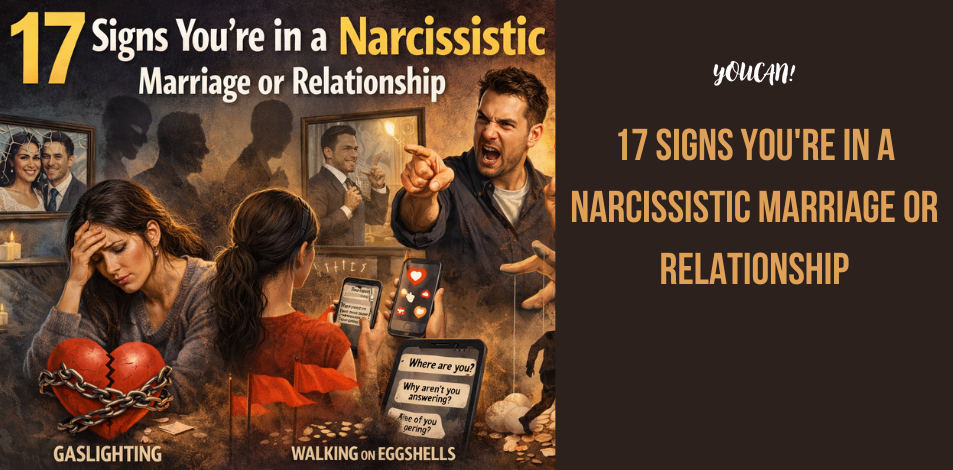
Narcissistic traits are often difficult to spot in the early stages of a relationship, but over time, they become more apparent. A narcissistic marriage is defined as one where one partner consistently prioritizes their own needs, lacks empathy, and uses manipulation and control to achieve their goals. Understanding these patterns can help you recognize when a relationship is becoming toxic.
How Narcissism Affects Marriage
The Diagnostic and Statistical Manual of Mental Disorders, Fifth Edition (DSM-5), defines narcissism as an ingrained pattern of grandiosity, a constant need for admiration, and a lack of empathy. At least five of these criteria must be present:
An exaggerated sense of self-importance
A persistent preoccupation with fantasies of unlimited success, power, intelligence, beauty, or ideal love
A belief that one is special and unique, and can only be understood by or associated with special or high-status people or institutions
An excessive need for admiration
A craving for narcissistic gratification
A sense of entitlement
Exploitative behavior in interpersonal relationships
A lack of empathy
Envy of others or the belief that others envy them
Displaying arrogant and condescending behaviors or attitudes
These traits can significantly impact marriages and relationships. They often lead to unbalanced, one-sided relationships where one partner is always the giver and the other is always the receiver. A narcissistic partner may have problems with empathy, compromise, and taking responsibility, making them difficult to trust and leaving the other person feeling neglected, confused, and emotionally exhausted.
How to Tell if You’re Married to a Narcissist
Let’s look at some of the behaviors that might be present in someone with narcissistic personality disorder. While many of the following behaviors may indicate this disorder, an accurate diagnosis can only be made by a mental health professional.
- You Feel a Lack of Communication
Your partner only talks to you when it suits them, but they never ask about your future plans or how you can work together to build the life you both desire.
They constantly boast about themselves and their accomplishments, and rarely show interest in or ask about anything related to your life.
Related : What I Learned (Too Late) From Loving a Covert Narcissist
They derive their happiness from external sources such as career status and money. You wonder if they are even capable of romantic love or emotional connection.
- You Feel Manipulated
Your partner resorts to subtle threats throughout the relationship. They may not be explicit, but you’ll feel that if you don’t do something for them or give in to their demands, something bad will happen.
Sometimes, it’s easier to go along with their desires, even if you don’t agree with them. This is a way for them to control and manipulate their partners to achieve their goals.
People in this type of relationship often forget what their lives were like before the manipulation began.
- You feel inadequate.
You feel insignificant despite all your accomplishments.
Your partner tends to belittle you or make negative comments about what you do.
You’ve lost touch with things you used to enjoy because you no longer have time for them.
You might feel constantly tired and find it difficult to get out of bed in the morning.
You’ve started hiding things from your family or friends or feeling ashamed of what’s happening in your life.
You lie to cover up your partner’s actions or shortcomings.
- You are constantly subjected to psychological manipulation.
When someone constantly denies things you know are true, they are psychologically manipulating you. This is often observed in abusive or controlling relationships and is a common tactic among narcissists.
For example:
They deny what happened: Your partner might say, “You don’t remember very well,” about something you know happened. They’ll try to manipulate you psychologically into believing that some things never happened, or that they did it because of something you did or said first.
They lie to make themselves look better: Your partner might lie about your behavior and distort reality to fit their version of events instead of the truth. You might start doubting yourself and feel like you’re losing your mind.
If they do this in front of family and friends, these people might start to think the problem is with you, not your partner. Others might find it difficult to see what’s happening behind closed doors because your partner seems so charming.
They avoid conversations
Every conversation with your partner might seem to end in a heated argument, no matter how hard you try to stay calm and not get upset by what they say or do.
The narcissist constantly tries to provoke you into reacting; controlling other people’s emotions gives them a sense of satisfaction.
Often, avoiding the conversation altogether is easier than dealing with their constant psychological manipulation.
- You feel responsible for everything.
Narcissists believe everything is other people’s fault, even their own.
You won’t get an apology from a narcissist. Narcissists don’t see others as their equals, so it makes sense that an apology is impossible.
Your narcissistic partner is likely to never take responsibility for their actions and will always blame you.
If something goes wrong, it’s your fault, even if they are.
Everything bad that happens in their life is somehow because of you, making you feel powerless to do anything right.
- You’re walking on eggshells.
Do you feel like you’re walking on eggshells because you never know when your partner will explode or have one of their mood swings?
It usually goes like this:
Everything seems fine, but then the smallest thing happens and they explode.
Related : Why Narcissists Always Walk Ahead of You And What It Reveals About Their Mind
Even something as simple as a colleague acknowledging your accomplishment while your partner feels ignored can trigger a narcissist’s anger. This is known as narcissistic rage.
You might feel like you’ve lost yourself because all your decisions are now based on pleasing your narcissistic partner.
- You realize his charm is fake.
Outwardly, your partner seems charming, confident, and successful. But he only appears that way because he’s adept at hiding his true self from others.
He says the right things, and people like him, but the moment you’re alone together, everything changes. He turns upside down, and you find yourself facing a completely different person than what others see.
- You feel constantly criticized.
Your partner is harshly critical of your appearance. He might comment on your weight, your clothes, or your hairstyle.
He mocks you or belittles you; he might do this behind your back or to your face.
He makes fun of others, especially those he considers inferior (for example, less attractive or wealthier).
In general, he’s highly critical of everyone.
- Ignoring Your Needs
Your partner only thinks about their own needs and how things affect them, ignoring you and everyone else, including the children if you have a family. They only do what’s in their best interest, not yours or the relationship’s.
For example, your partner might:
Want sex whenever they want, not when you want it
Expect you to clean up after them
Taking credit for all your efforts
Being upset when others treat their families better than yours
Favoring some children over others in the family if they feel a particular child makes them look better
- Your Family Warns You (or Is Oblivious)
Your family has told you they don’t like how your partner treats you. Or perhaps your family is unaware of any problem because your partner is lying to them about you. In either case, your partner is a source of conflict in the family relationship.
- You’ve Betrayed Me
Narcissists are often skilled at flirting, and they may be cheating on you.
They are incredibly charismatic and know how to charm.
You might find yourself constantly questioning your partner’s fidelity because of their flirting.
They may have cheated on you multiple times, so nothing will stop them from doing it again.
- You Feel Unloved
When you first started your relationship, you felt like the most amazing person in the world. But as time passed and problems arose, your partner began to belittle and ignore you. This is a warning sign that they aren’t the person they initially claimed to be.
You may have received many promises at the beginning to attract you, but once you were married, those promises disappeared.
- Complete Ignoring
Your partner uses complete ignoring as a way to control you.
They will withhold affection and ignore your presence until they feel like being kind again.
They only show affection or attention when it serves their interests (like getting what they want).
You might think this behavior is normal or even “expected” in a marriage. But the truth is, complete ignoring isn’t part of a healthy relationship, or a relationship of love and respect.
- Financially Stuck
If there’s one thing narcissists excel at, it’s financially exploiting their partners. You might be paying for everything while your partner is unemployed, or they might have a high income but not share any of it with you.
In this case, your partner is likely spending every penny on themselves and has no plans to share anything with you now or in the future.
Related : How Narcissists Hide Amongst Us
If this is the case, your partner is likely spending all their money on themselves and has no plans to share it with you now or in the future. 16. You can’t rely on your partner.
When they make promises, you can never be sure they’ll keep them. Narcissists are known for breaking promises whenever it suits them. You feel like you don’t have a partner you can depend on, and you find yourself having to do everything yourself.
- You’ve asked them to change, but they refuse.
Narcissists don’t want to change because it means admitting there’s something wrong with them, and they never admit to such things. On the other hand, some might proudly admit they’re narcissistic but claim the problem lies with others.
If your partner is unwilling to change their behavior, you may be in a relationship with a narcissist.
What should you do if you’re in a relationship with a narcissist?
A relationship with a narcissist can have profound and long-lasting effects on your mental health. If your partner is emotionally abusive and unwilling to change their behavior, it’s time to re-evaluate the relationship. If you decide to end it, make sure you have a support network in place beforehand—people you trust enough to confide in. This could be your friends, family, or therapist, for example.
If you continue the relationship with the narcissist:
Seek therapy or outside support.
Set boundaries and stick to them.
Keep records of conversations, events, etc., to avoid psychological manipulation.
Try to remain calm and assertive.
At work, avoid gossip, even if you need to vent.
Learn as much as you can about narcissism so you can recognize their tactics and manipulation.